
Look, no hands!
So I finally got down to trying out the driverless taxis in Shenzhen.

Autonomous driving isn’t new in China, but large-scale deployment is still in its early stages. So it is no surprise that these cars are a common sight in Nanshan, Shenzhen--a district often dubbed as China’s ‘Silicon Valley’ for its concentration of rising tech stars and its well developed infrastructure..


Ordering a driverless vehicle is similar to using a Didi so there is no real learning curve here.
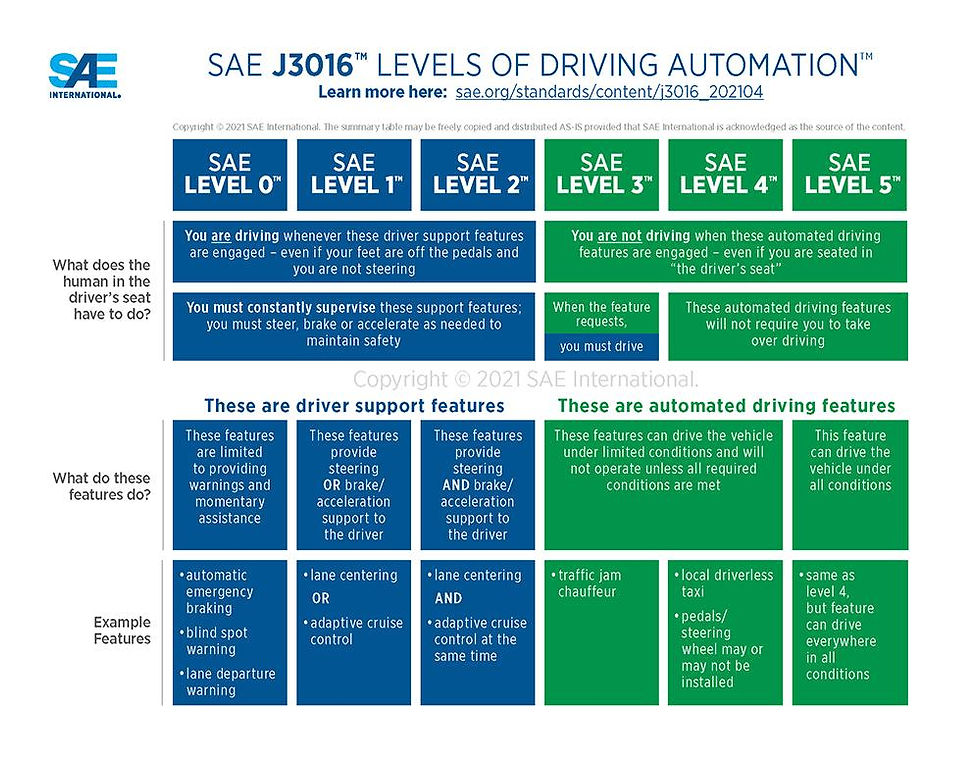
The robotaxi that I got was a Gen-Y L4 SUV from Pony AI. Gen-7 refers to the software version installed on the car (which happens to be the latest) while L4 refers to the SAE standards of autonomous driving which currently is one notch below the highest level.
Once your ride is confirmed, the app immediately prompts you to make your way to the pick-up point. Pick-ups are limited to designated locations, so passengers must walk to a nearby point.
A quick app verification takes place when the car arrives.. Unlike the traditional cars where you have to manually open the doors, the door in this case is unlocked via Bluetooth.
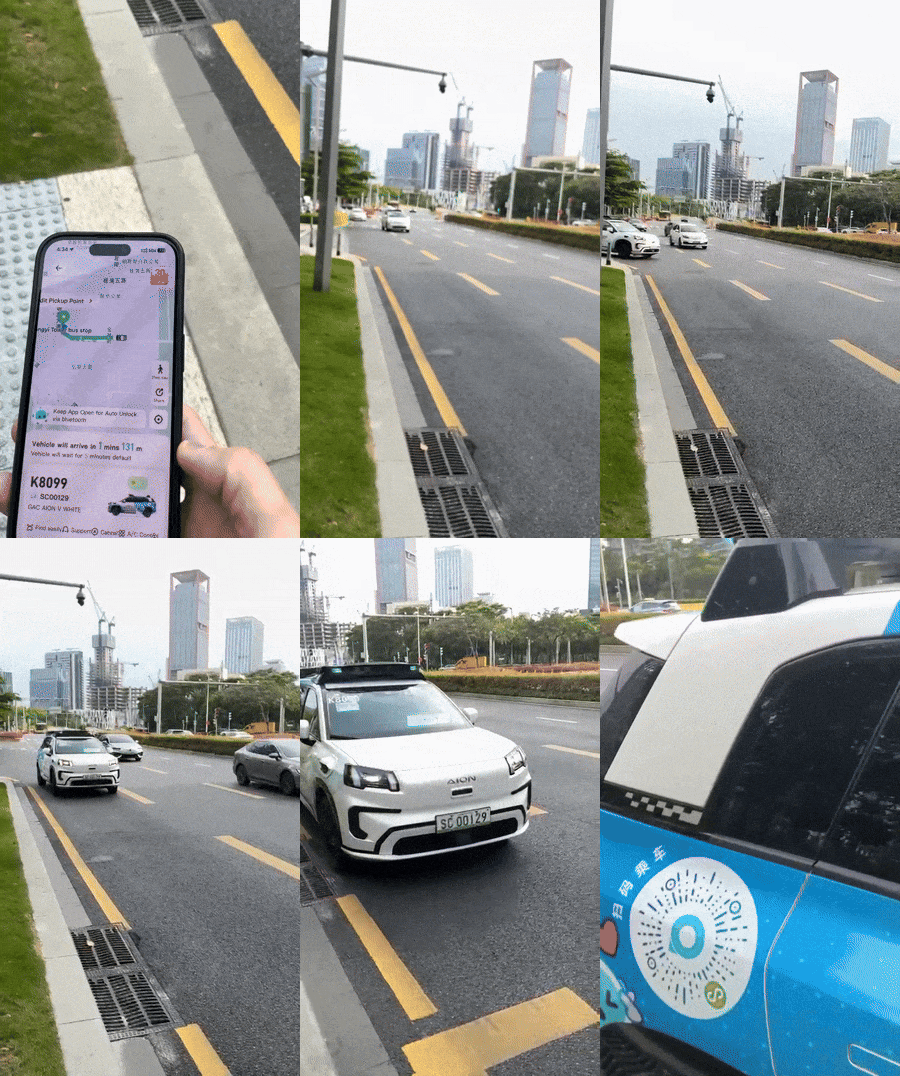

Bluetooth-enabled door
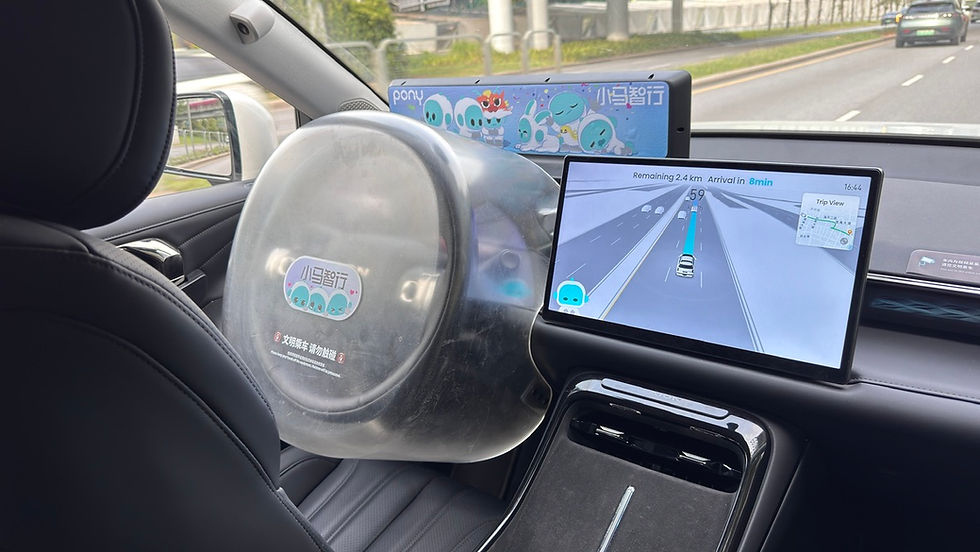
Upon getting into the car, a virtual assistant greets you and reminds you to fasten your seatbelt. Unlike traditional taxis, there’s no driver to verify your booking— you just press ‘start’ on the rear dashboard. The car locks automatically and pulls away smoothly, much like a human driver.
Inside the car, there are various options for customizing your ride from adjusting the temperature of the aircon, adjusting the seats and playing music. No need to ask the "driver" to do all that although I suspect one of the upgrades in newer versions will incorporate voice control.

On the driver's dashboard, you can also view a 3D schematic of the surroundings on a digital screen. Using sensors and GPS data, the robotaxi maps its surroundings in real time.
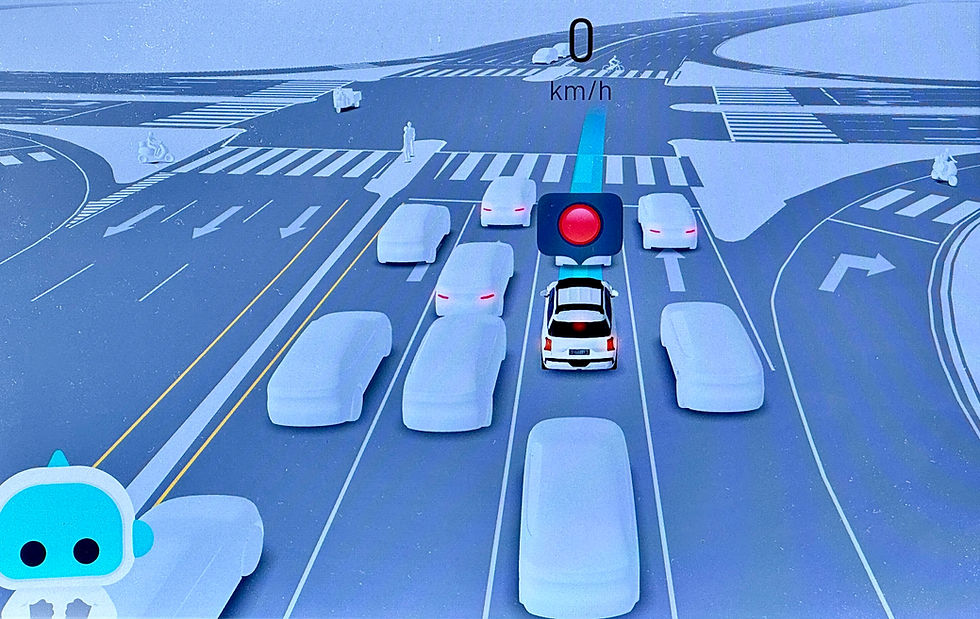
During the 15-minute ride, the car executed a careful three-point turn on a narrow road, avoiding an oncoming truck and jaywalking pedestrians. It overtook vehicles smoothly, handled blind spots, and navigated a busy right turn while yielding to pedestrians and delivery riders at a zebra crossing.
All this while, no driver or passer-by stopped to stare at the vehicle I was in despite the fact that there was no one in the driving seat. It almost felt as if a driverless car on the road was commonplace in everyday life.
At one busy junction, I even saw another car applying the emergency brakes just to avoid colliding with a pedestrian who had suddenly dashed out of nowhere onto the road to beat the yellow light. There were no angry horns, no winding down of windows to a driver that would unleash a mouthful of hell, and no road rage. Maybe no one had flinched except for me.
It was only seconds later that I realized that the car didn't even have a human driver in it. And everyone around was just going about their own business, treating the robotaxi like another normal vehicle.
Other than that, most of my trip had been relatively uneventful, especially without the occasional banter of a talkative taxi driver.
When I had reached my destination, the car made sure to come to a full stop, disabled the door locks and reminded me to look out for oncoming traffic when I got out. And then it went off on its own, just like any ordinary taxi. Given the complexities and unpredictability of traffic on the roads, the entire process was actually overall well-executed.

Navigating a right turn at a zebra crossing 
Pulling over along a busy street
Interestingly, the entire ride came up to only CNY 20 (CNY 10 if you include the 'welcome' voucher). You can see how this roughly compares with the same ride with a conventional Didi.


The case for replacing the driver at the wheel based on these economics seems very viable.
Unlike a human driver, autonomous driving has more than one pair of watchful eyes on the road and does not suffer from fatigue. Blind spots are significantly reduced, thereby minimizing the probability of road accidents. Also with the continuous acquisition of traffic data, the algorithms should get increasingly familiar with the roads and learn from its surroundings. There is no need to train a new driver on his first day at work. All it takes is a software upgrade and a new car is ready to go.
Of course, there is also the social narrative which involves potentially displacing the entire gig economy of nearly ten million ride-hailing drivers and their livelihoods. Given that we are now already at L4, this trend seems inevitable. But there are also real limitations as to how far technology can go. For starters, if you are heading to the airport with a load of baggage, you now have no one to help you with loading it into the boot. Not that this is a deal breaker but it would be nice to have an extra pair of hands. For the disabled community, getting on and off an autonomous car can pose a serious challenge especially if they are getting around on their own.
Ultimately, we will probably still need some real drivers on the road--the same way banks still require counter staff to process certain transactions that cannot be done either at the ATM or through digital banking. As time passes, human drivers will likely be a minority rather than the norm.
Nevertheless, I am looking forward to seeing more driverless cars on our roads soon.